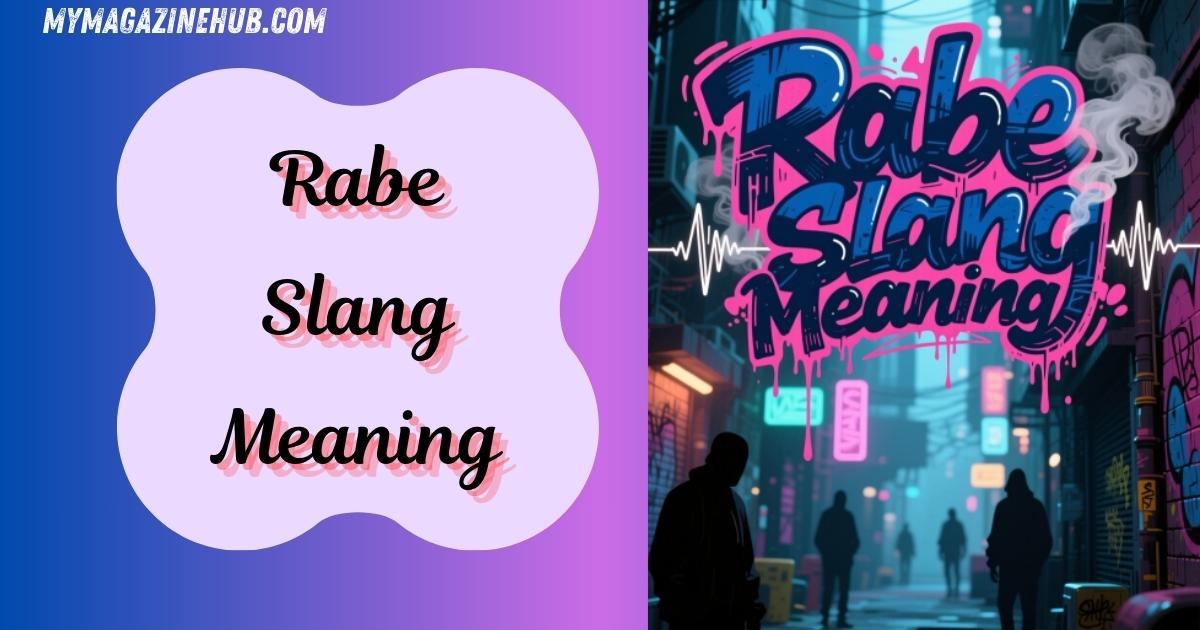
Ever scrolled through TikTok and seen someone comment “that’s so rabe” and wondered what on earth they meant? You’re not alone. New slang pops up faster than you can say “viral trend.” Rabe is one of those words that’s taking over social media, music culture, and everyday chats in 2025. It’s got that cool vibe slang energy that makes people sound confident and authentic. Let me break down everything you need to know about this trending youth term so you can use it like a pro.
What Does Rabe Slang Meaning?
Rabe describes someone or something that has a bold personality term mixed with raw creativity. Think of it as calling someone genuinely cool without trying too hard. When you say someone is “rabe,” you’re saying they’ve got that fearless energy and authentic attitude that stands out.
It’s not about being loud or showing off. It’s about being real, confident, and unapologetically yourself.
The definition of rabe goes beyond just being stylish. It captures a whole vibe, someone who owns their space, creates without boundaries, and doesn’t follow the crowd. Picture that friend who wears what they want, says what they think, and somehow makes it all look effortless. That’s rabe.
The semantic meaning of rabe connects to raw authenticity slang that Gen Z and Gen Alpha use to describe genuine self-expression.
Read More: NTM Meaning Slang: What It Really Means & How to Use It Online in 2025
Where Did the Slang “Rabe” Come From?
The exact origin story is a bit fuzzy, like most internet slang. But rabe likely emerged from underground culture slang communities where artists and creatives needed a word to describe their unique style.
Some people trace it back to street culture language in urban areas where being bold and different was celebrated. Others say it evolved from music communities where artists wanted to describe that raw artistic vibe they were chasing.
What we know for sure is that TikTok vocabulary helped spread it like wildfire. Creators started using it to describe outfits, music, art, and even attitudes that felt genuinely cool. The cultural adaptation of slang happened fast as more people caught on to what rabe really meant.
By 2024, it was already gaining traction in streetwear slang circles. Now in 2025, it’s everywhere, from comment sections to group chats.
The Emotional Vibe Behind “Rabe”
Here’s where rabe gets interesting. The rabe emotional tone carries a mix of confidence, creativity, and fearlessness. When someone calls you rabe, they’re not just saying you look good. They’re recognizing your bold behavior descriptor and authentic attitude.
The sentiment behind slang here is all about positive energy. It’s a casual compliment slang that makes people feel seen and appreciated.
The emotional resonance in slang comes from its genuine nature. Rabe isn’t fake hype or empty flattery. It’s about spotting real talent, real style, and real confidence in someone. That confidence expression makes people want to hear it and use it.
The user intention behind “rabe” is to celebrate authenticity and creative courage. It’s why the word feels good to both give and receive.
Rabe Meaning in Social Media Context
On platforms like TikTok, Instagram, and Twitter, rabe shows up in different ways.
Common uses include:
- Commenting on someone’s outfit: “Your fit is so rabe”
- Praising creative content: “This edit is pure rabe”
- Describing someone’s personality: “She’s got that rabe energy”
- Hyping up a friend: “You’re looking rabe today”
The contextual slang interpretation changes slightly depending on what you’re talking about. But the core meaning, bold, authentic, and stylish, stays consistent.
Online communication language evolves quickly, and rabe fits perfectly into how young people communicate. It’s short, punchy, and carries a lot of meaning in just four letters.
The digital identity slang aspect is huge. People use rabe to define their online persona and recognize others who share that fearless style.
Read More: Chopped Meaning Slang: The Real Story Behind 2025’s Most Viral Word
Rabe in Urban and Street Culture
Street culture language has always created the coolest slang. Rabe fits right into this tradition.
In urban areas, being rabe means having street-smart vibe and knowing how to carry yourself. It’s about confidence without arrogance. Style without pretension.
The rabe aesthetic shows up in:
- Fashion choices that mix different styles fearlessly
- Art that breaks traditional rules
- Music that pushes boundaries
- Attitudes that refuse to be boxed in
This bold lifestyle term captures what street culture has always valued, being real, being brave, and being yourself no matter what others think.
The cultural meaning of rabe in urban spaces connects to a long history of marginalized communities creating their own language and identity markers.
Variations of “Rabe” Used Online
Like most slang, rabe has spawned some variations.
Popular versions include:
- “Rabe vibes” – describing the overall energy
- “So rabe” – emphasizing the quality
- “Rabe energy” – talking about someone’s presence
- “Rabe mode” – when someone’s really in their element
- “Rabe aesthetic” – describing a visual style
The rabe variations keep the core meaning while adding slight flavor differences. Some people even combine it with other slang words 2025 to create new expressions.
The linguistic shift in digital slang means these variations will likely keep evolving as more people adopt the term.
Rabe Meaning in Music and Art
Artists love rabe because it describes what they’re trying to achieve.
In music, a rabe track is one that feels original and unfiltered. It’s got that raw artistic vibe that doesn’t sound overproduced or trying to fit a formula. Think of music that makes you feel something real, that’s the rabe quality.
In visual art, rabe describes work that’s bold and expressive. It’s the opposite of playing it safe. Rabe art takes risks, mixes styles, and doesn’t apologize for being different.
The expressive creativity that rabe celebrates is why artists gravitated to the term. It gives them language to describe authenticity in their work.
Musicians use it to describe their sound. Visual artists use it to explain their style. Writers use it to capture a certain attitude in their work.
Rabe in Text Messages and Everyday Chats
Texting slang meaning matters because that’s where most communication happens now.
In everyday messages, rabe is super versatile:
Example conversations:
- Friend 1: “Just got my hair done”
- Friend 2: “Looks rabe!”
- “That party last night was so rabe”
- “Your new car is rabe, no cap”
- “He’s got rabe taste in music”
The contextual usage is casual and friendly. It works as a standalone compliment or part of a longer message.
People appreciate how to use rabe because it’s not complicated. You can drop it into normal conversation without explanation. Most people in the loop will instantly understand the what rabe conveys message.
Why “Rabe” Is Trending in 2025
Several factors pushed rabe into mainstream usage this year.
Reasons for the surge:
- TikTok creators with millions of followers started using it regularly
- Music artists dropped it in lyrics and interviews
- Fashion influencers adopted it to describe outfits
- It filled a gap, we needed a word that meant “authentically cool”
The rabe trend 2025 also benefits from people wanting to move away from overused terms. Words like “aesthetic” and “vibe” got watered down. Rabe feels fresh and specific.
The slang usage frequency has jumped significantly compared to 2024. Google searches for “meaning of rabe” and “what does rabe mean” have spiked.
It’s also part of the broader modern digital language evolution where Gen Z and Gen Alpha create terms that older generations don’t immediately understand.
How to Use “Rabe” Correctly (With Real Examples)
Want to sound natural using rabe? Here’s your guide.
Do’s:
- Use it to genuinely compliment someone’s style or energy
- Apply it to creative work that feels original
- Describe attitudes that are confident and authentic
- Keep it casual and natural in conversation
Don’ts:
- Don’t use it sarcastically, it loses meaning
- Don’t apply it to obviously fake or try-hard behavior
- Don’t overuse it in every sentence
- Don’t use it if you don’t understand the vibe
Real-world examples:
- Seeing street art: “This mural is straight rabe”
- Watching someone perform: “She brought rabe energy to that stage”
- Friend’s outfit choice: “That jacket is so rabe on you”
- New song release: “This track has major rabe vibes”
The key is user intent, you’re recognizing genuine quality and authenticity.
The Linguistic Evolution of “Rabe”
The creative linguistic evolution of rabe shows how modern slang expressions develop.
It started narrow, used by small creative communities. Then influencers picked it up. Now it’s spreading across different age groups and regions.
The stylistic word choice matters here. Rabe sounds good when you say it. It’s got a nice rhythm that makes it stick in your head.
The slang meaning extraction process shows how context shapes understanding. Early users defined it through examples rather than formal definitions. People learned what rabe meant by seeing it used repeatedly in similar situations.
This expressive language trends pattern is typical of successful slang. Words that catch on usually sound good, fill a need, and spread through influential communities first.
How “Rabe” Compares to Other Slang Words
Rabe has cousins in the slang family, but it’s got its own unique flavor.
Similar terms and differences:
- “Fire” – means excellent but less specific about authenticity
- “Drip” – focuses more on fashion than overall vibe
- “Valid” – about being acceptable or correct, not creative boldness
- “Bussin” – usually about food or experiences being great
- “Aesthetic” – describes visual appeal but feels more passive
What makes rabe different is that bold aesthetic slang combined with authentic energy. It’s not just about looking good or being excellent. It’s about that specific mix of confidence, creativity, and realness.
The slang comparisons help clarify when to use each term. Use rabe when you want to highlight genuine, fearless self-expression.
Misunderstandings About “Rabe”
Like any new slang, rabe gets misused sometimes.
Common mistakes:
- Thinking it just means “cool” (it’s more specific)
- Using it for anything remotely stylish (it requires authenticity)
- Assuming it’s only about fashion (it covers personality and creativity too)
- Believing it’s just another trend word (it has deeper cultural roots)
The inferential meaning of rabe requires understanding context. Someone can look stylish without being rabe if there’s no authentic energy behind it.
The contextual language expression matters more than surface-level appearance. Rabe judges the whole package, how someone carries themselves, their creative choices, and their genuine confidence level.
Don’t confuse rabe with being loud or attention-seeking. It’s actually the opposite, quiet confidence and natural style.
Cultural Impact of “Rabe”
The cultural impact of rabe extends beyond just being another slang word.
It represents a shift in how young people value authenticity over perfection. In an age of filters and curated feeds, rabe celebrates being unpolished and real.
The youth identity expression through rabe shows what this generation cares about:
- Creative freedom
- Authentic self-presentation
- Bold individuality
- Community recognition of genuine talent
The cultural slang shift toward terms like rabe suggests people are tired of surface-level aesthetics. They want depth, authenticity, and real creative courage.
Musicians, artists, and creators who embrace rabe qualities are finding more success because audiences crave that raw authenticity slang approach.
The youth communication patterns around rabe also show how language builds community. Using and understanding rabe marks you as part of a cultural moment that values being real over being perfect.
FAQ’s
What is the meaning of rabe?
Rabe describes someone with bold, authentic confidence and creative style that feels genuinely cool without trying too hard at all.
What is the meaning of der rabe?
Der Rabe is German for “the raven,” referring to the large black bird known for intelligence and appearing in folklore worldwide.
What is a Rube slang?
A rube is slang for an unsophisticated, naive country person lacking social polish, often used as an insulting term for hillbillies.
What language is Rabe?
Rabe comes from German language meaning raven, derived from Old High German rabo and Proto-Germanic hrabô through linguistic historical evolution.
What does rabe stand for?
Rabe doesn’t stand for anything as an acronym; it’s either German for raven or modern slang describing authentic bold creative energy.
Conclusion
Rabe isn’t just another word that’ll disappear next month. It captures something real about how people want to present themselves and what they value in others. Whether you’re into fashion, music, art, or just living your best life, understanding rabe helps you tap into what’s genuinely cool right now.
Try using it next time you see someone absolutely owning their unique style. Drop it in the comments when a creator posts something that feels authentically them. Just remember, rabe is about recognizing the real deal, not just throwing around empty compliments.
Now you’re ready to use rabe like you’ve been saying it forever.

Thomas Hardy is the witty mind behind My Magazine Hub, a blog dedicated to clever wordplay and pun-filled fun. With a sharp sense of humor and a love for language, Thomas crafts content that makes readers laugh and think. When he’s not punning around, he’s exploring the quirky side of everyday life, one pun at a time.