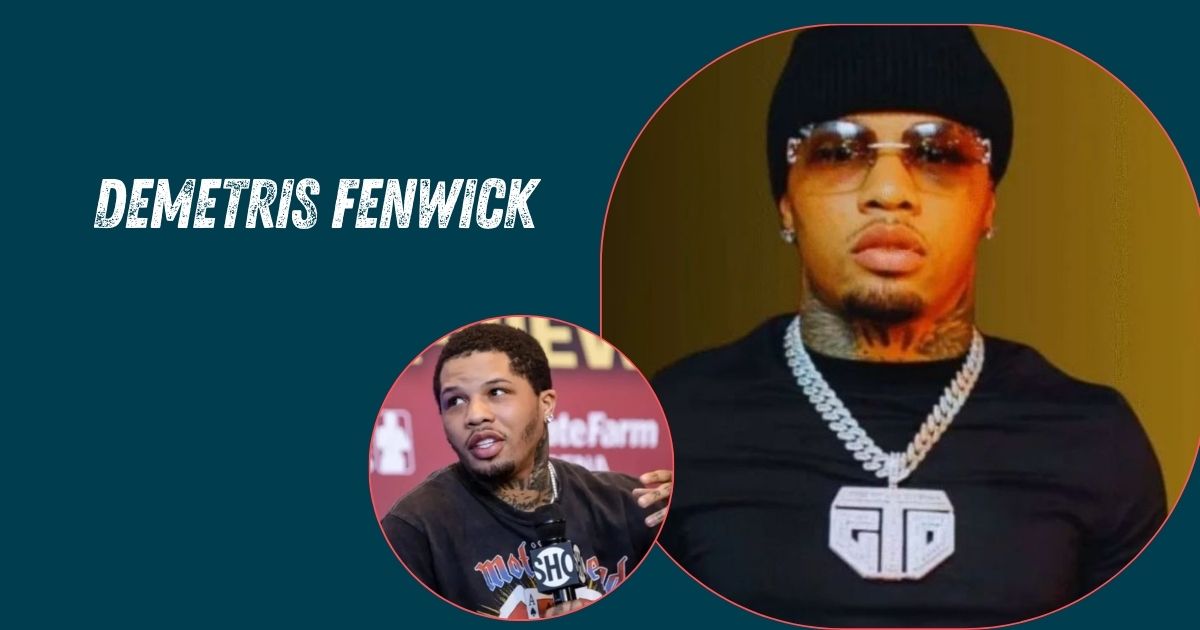
Baltimore’s streets produced many fighters. Few transform their city like Demetris Fenwick. This West Baltimore native isn’t just a Golden Gloves champion, he’s reshaping futures daily. His gloves protect kids, not just his face.
Sandtown-Winchester neighborhood raised him in struggle. Now he returns bearing hope and discipline. The Baltimore boxer splits time between championship dreams and youth violence prevention. His legacy isn’t measured in knockouts alone. It’s counted in saved lives, earned scholarships, transformed trajectories. This is how one professional boxer and mentor rewrites an entire community’s story.
Who Is Demetris Fenwick?
Demetris Fenwick represents Baltimore’s dual identity perfectly. He’s an IBF lightweight contender with serious ring credentials. Simultaneously, he’s the community transformation catalyst West Baltimore desperately needed. His orthodox boxing stance mirrors his straightforward approach to life.
Growing up in Sandtown-Winchester neighborhood wasn’t easy. Poverty and violence surrounded young Demetris constantly. Yet he found salvation through boxing’s structured discipline. Now he extends that same lifeline to at-risk kids in Baltimore through comprehensive programs.
His nonprofit youth programs don’t just teach jabs. They combine academic tutoring for youth with athletic training. This holistic youth development approach addresses root causes, not symptoms. Fenwick understands boxing alone can’t save lives. You need homework help, emotional support, consistent mentorship. That’s what makes his community-driven solutions actually work.
Read More: David Goggins Net Worth, Career, Education And Biography
Professional Boxing Statistics
| Category | Details |
| Weight Class | Lightweight division, Super featherweight |
| Stance | Orthodox |
| Amateur Achievements | Golden Gloves champion |
| Professional Status | IBF regional title contender |
| Boxing Style | Technical precision, defensive mastery |
Fenwick’s professional boxing record shows strategic career management. He’s a regional title contender who chose quality over quantity. His technical precision fighter approach earned respect from boxing insiders. The defensive boxing style he employs minimizes damage while maximizing scoring.
His amateur boxing achievements laid the foundation early. Training at Upton Boxing Center provided world-class instruction. The lightweight division boxer and super featherweight fighter competed across multiple weight classes successfully. Each victory refined his boxing fundamentals training and mental preparation.
Recognition as an IBF lightweight contender validated years of sacrifice. His team carefully selected opponents providing growth opportunities. The Baltimore boxing community watched one of their own climb professional ranks. National platforms showcased his defensive boxing style and ring intelligence repeatedly.
Growing Up in Sandtown-Winchester
The Sandtown-Winchester neighborhood isn’t just an address. It’s a daily test of survival and willpower. Intergenerational poverty intervention becomes necessary when opportunity feels invisible. Young Demetris navigated streets where violence wasn’t occasional, it was expected.
Economic hardship forced impossible choices on families. Limited resources meant kids faced adult decisions prematurely. Yet amid struggle, Fenwick observed community resilience narrative playing out. Neighbors helped neighbors despite having almost nothing themselves. This shaped his understanding of authentic strength.
These formative experiences built empathy for struggling youth. He understands their reality because he lived it. Breaking cycles of poverty became his life’s mission. The neighborhood’s harsh truths motivated his commitment to positive alternatives to street life. Every program he builds remembers where he started.
Finding Boxing, and Purpose
Discovery happened at age twelve for Fenwick. A boxing gym Baltimore facility offered refuge from chaos. Coaches at Upton Boxing Center recognized raw talent immediately. They also saw hunger for direction and purpose.
Boxing provided both physical outlet and emotional salvation. The structured environment created stability he lacked at home. Sports-based youth development wasn’t a theory, it was his lifeline. Repetitive drills taught patience and delayed gratification naturally.
This pivotal discovery aligned athletic passion with larger meaning. Sports as a vehicle for social change became his philosophy. The sport’s demands instilled discipline essential for success. Purpose crystallized when he realized his story could inspire others. Youth empowerment programs started forming in his mind even then.
Early Training Foundation
Boxing training methods at West Baltimore gyms were old-school. Fundamentals formed the bedrock of skill development. Experienced trainers emphasized footwork, defensive positioning, counter-punching strategies. Hours of repetitive drills built muscle memory essential for competition.
Boxing fundamentals training extended beyond physical preparation. Mental conditioning received equal attention from coaches. Visualization exercises and strategic planning sharpened his mind. This comprehensive approach to life skills training shaped character development.
His coaches stressed accountability and consistency relentlessly. Missing practice meant disappointing people who believed in him. This discipline and resilience training translated beyond the ring. Personal development became inseparable from athletic improvement. The foundation built then supports everything he does now.
A Bond Forged in Struggle
Kenny Ellis transformed Fenwick’s trajectory through mentorship. Their relationship provided accountability during vulnerable developmental years. Shared struggles created authentic bonds transcending typical coaching. Ellis saw potential extending beyond individual championships.
This partnership exemplified effective youth mentorship in West Baltimore. Mutual respect and shared values created trust. Ellis recognized Fenwick could impact the entire community. Their bond demonstrated how relationship-centered leadership catalyzes positive change.
The lessons Ellis taught went far beyond technique. He showed Fenwick what manhood and service meant. Structured mentorship programs work because of relationships like this. Fenwick now replicates this model with his own students. The generational transfer continues strengthening Baltimore community impact exponentially.
Training Philosophy and Methods
Fenwick’s philosophy emphasizes technical mastery before aggressive fighting. Defensive responsibility and ring intelligence take precedence always. He studied Floyd Mayweather’s calculated style extensively. Smart boxers outlast reckless brawlers every single time.
Conditioning programs balance cardiovascular endurance with explosive power. Mental preparation receives equal attention through visualization exercises. Strategic planning sessions accompany every physical training block. This holistic methodology reflects championship-level thinking.
Boxing training methods he employs minimize injury risk. Longevity matters more than temporary glory for him. The technical precision fighter approach protects his brain long-term. This philosophy transfers directly to youth leadership development work. He teaches kids smart approaches beat reckless ones.
Climbing the Professional Ladder
Progression required strategic matchmaking and consistent performance. Fenwick’s team selected opponents carefully and deliberately. Each victory built confidence while refining necessary skills. Growth opportunities mattered more than easy wins.
Recognition as an IBF lightweight contender validated dedicated training. His technical precision fighter reputation earned insider respect. The regional title contender status positioned him for championship shots. National exposure showcased Baltimore talent on bigger stages.
Career management prioritized quality competition over padding statistics. This approach builds legitimate credentials sanctioning bodies respect. The professional boxing record reflects sustainable progression. Future championship opportunities remain viable through smart planning.
Giving Back to Baltimore’s Youth
Establishing youth boxing programs became Fenwick’s primary mission. He recognized sport’s transformative potential for at-risk youth mentorship. Creating accessible programs at Upton Boxing Center provided alternatives. Structured activities replaced dangerous street life options.
His community leadership in Baltimore addresses multiple needs simultaneously. Participants receive athletic training alongside academic tutoring for youth. Emotional support services complete the comprehensive package. This integrated approach tackles root causes effectively.
After-school youth programs operate multiple days weekly consistently. Sessions combine physical training with homework assistance naturally. Character development programs emerge through boxing’s demanding nature. Participants learn goal-setting, time management, conflict resolution organically.
Program Components and Structure
| Program Element | Focus Area | Target Outcome |
| Boxing Fundamentals | Technical Skills | Athletic Development |
| Academic Support | Educational Achievement | School Success |
| Life Skills Training | Character Development | Personal Growth |
| Mentorship | Guidance & Support | Positive Relationships |
The structured schedule keeps youth occupied during high-risk hours. Discipline and resilience training happens naturally through challenges. Boxing’s competitive nature teaches failure and perseverance simultaneously. Kids learn that effort determines outcomes more than talent.
Crime reduction initiatives demonstrate measurable behavioral impact. Participant choices improve dramatically with consistent engagement. School attendance improvement correlates directly with program involvement. These youth violence prevention strategies work because they’re comprehensive.
Success Stories and Case Studies
Real transformation beats abstract statistics every time. Two powerful examples showcase Baltimore community impact authentically. Lives redirected from dangerous trajectories prove program effectiveness. Evidence validates community-based intervention model approaches thoroughly.
Case Study 1: Marcus Thompson
Marcus entered at thirteen facing academic failure. Gang recruitment pressure intensified around his neighborhood daily. Background circumstances made success seem impossible initially. Yet consistent participation yielded dramatic grade improvements.
His athletic skills flourished alongside academics simultaneously. Marcus now attends Morgan State University on scholarship. He credits Fenwick’s program for his complete transformation. Educational achievement support combined with mentorship saved his life. Ripple effects touched his entire family profoundly.
Case Study 2: Jasmine Rodriguez
Jasmine found boxing after violence claimed her cousin. The program provided therapeutic outlet during grief processing. Trauma-informed youth programs helped her heal properly. Supportive community surrounded her during unbearable pain.
She developed leadership skills through consistent participation. Now Jasmine assists with younger participants regularly. Youth leadership development creates this beautiful ripple effect. Female representation in traditionally male spaces matters tremendously. Mental health improvement through athletics documented her recovery journey.
Clearing Up Misinformation
Online sources frequently conflate Fenwick with other fighters. Misrepresented records create confusion among boxing fans. Accurate reporting preserves legitimate accomplishments’ integrity. Clarifying errors matters for historical record keeping.
Some articles incorrectly link him to Gervonta Davis. While both represent Baltimore boxing community proudly, they’re separate. Career paths remain distinct despite shared geography. Respecting individual journeys requires accurate information always.
Professional boxing record verification prevents false narratives spreading. His team prioritizes meaningful competition over inflated statistics. Legitimate credentials earn sanctioning body respect appropriately. Golden Gloves champion status from amateur days established foundational credibility.
Common Myths vs. Reality
Myth 1: Fenwick retired exclusively for community work.
Reality: He maintains active professional status, balancing both commitments successfully.
Myth 2: Programs only serve aspiring professional boxers.
Reality: All skill levels welcome; holistic youth development matters most.
Myth 3: Funding comes primarily from corporate sponsors.
Reality: Local community donations and volunteer support sustain operations.
Why accuracy matters extends beyond reputation protection. Proper expectations ensure program success and sustainability. Volunteer-supported nonprofit operations require transparency always. Misunderstandings damage fundraising efforts and community trust.
The Man Behind the Gloves
Understanding Fenwick requires looking beyond athletic achievements. Core values and motivations drive everything he does. Humility and accessibility distinguish him from stereotypical fighters. Community transformation matters more than personal glory always.
Community members describe him as approachable and patient. Genuine investment in others’ success defines his character. Relationship-centered leadership creates authentic bonds that last. Family-centered leadership values ground him amid growing recognition.
Daily life centers on service, faith, and family. He attends students’ school events and celebrations personally. This hands-on involvement demonstrates authentic commitment completely. Public relations gestures never replace real relationship investment.
Daily Life and Personal Values
Typical days begin with early morning training sessions. Community program responsibilities follow immediately after personal workouts. Evenings involve program activities, fundraising efforts, mentoring sessions. Consistency in personal discipline models behavior for youth.
Core values emphasizing integrity guide every decision made. Perseverance and compassion inform professional and personal contexts. Faith-based community involvement provides grounding during challenges. Strong family foundation supports sustained community leadership in Baltimore.
Grassroots leadership model approaches emphasize relationship-building strategies. Local ownership ensures sustainability beyond founder involvement. These principles inform how he develops youth development infrastructure. Character matters more than credentials in his worldview.
Why Demetris Fenwick Matters
Fenwick represents possibility for youth in tough circumstances. His lived experience provides credibility outsiders cannot replicate. Personal testimony resonates powerfully with at-risk kids in Baltimore. Success extends beyond individual achievement to collective uplift.
The sports-based youth development model shows athletics as intervention vehicle. His work challenges deficit narratives about inner cities. Highlighting resilience and potential shifts entire conversations. Urban empowerment initiatives need authentic voices from affected communities.
Breaking cycles of poverty requires comprehensive, sustained intervention. Resources, relationships, opportunities must come together simultaneously. His model for national replication demonstrates scalable approaches. Other cities study Baltimore’s community-driven solutions extensively now.
What’s Ahead for Demetris
Future planning balances boxing aspirations with community expansion. Limited athletic career windows require strategic thinking. Long-term commitment to community work remains unwavering. Potential title shots could fund significant program growth.
Corporate sponsorship partnerships exploration diversifies funding streams. Under Armour sponsorship discussions show corporate interest growing. Baltimore Ravens community foundation expressed alignment with his values. Building infrastructure transcends individual leadership for lasting impact.
Championship opportunities within two years remain viable currently. Training intensification and strategic matchmaking continue aggressively. Balancing demands requires exceptional time management and priorities. His team seeks meaningful competition without excessive health risks.
Building a Lasting Legacy
Legacy extends beyond trophy cases to transformed lives. Fenwick envisions self-sustaining programs within five years. Current participants becoming future leaders ensures continuity. Sustainable nonprofit expansion requires intentional succession planning now.
Policy advocacy for youth funding positions him as thought leader. Systemic changes complement individual program interventions effectively. Long-term Baltimore community impact requires infrastructure outlasting any individual. Building something permanent matters more than personal recognition.
Youth development infrastructure created now serves future generations. Educational achievement support and mental health support for youth become institutionalized. The community resilience narrative he’s writing inspires nationwide replication. His vision encompasses transformation beyond just his neighborhood.
Conclusion
Demetris Fenwick’s impact reaches far beyond boxing rings. His commitment to breaking cycles of poverty creates collective transformation. The Baltimore boxer proves champions emerge from service primarily. Youth violence prevention through sports-based youth development actually works.
Future generations measure his legacy through transformed lives. Grassroots leadership model meets pressing social needs with practical solutions. His story illuminates pathways from struggle to significance. At-risk youth mentorship combined with academic support for inner-city youth changes everything. One fighter, countless lives saved, entire community uplifted.
FAQ’s
Who is Demetris Fenwick?
Demetris Fenwick is a professional Baltimore boxer and Golden Gloves champion who runs transformative youth mentorship programs at Upton Boxing Center in West Baltimore.
What boxing achievements does Demetris Fenwick have?
Fenwick is an IBF lightweight contender, Golden Gloves champion, and regional title contender known for his orthodox stance and technical precision fighting style.
How does Demetris Fenwick help Baltimore youth?
Fenwick operates after-school boxing programs combining athletic training, academic tutoring, and character development for at-risk youth in West Baltimore’s toughest neighborhoods.
Where does Demetris Fenwick train in Baltimore?
Demetris Fenwick trains and operates his youth mentorship programs at Upton Boxing Center, serving over one hundred fifty kids annually in West Baltimore.
Is Demetris Fenwick still boxing professionally?
Yes, Demetris Fenwick maintains active professional boxing status as a regional title contender while balancing his extensive community mentorship and youth program responsibilities.
Thomas Hardy is the witty mind behind My Magazine Hub, a blog dedicated to clever wordplay and pun-filled fun. With a sharp sense of humor and a love for language, Thomas crafts content that makes readers laugh and think. When he’s not punning around, he’s exploring the quirky side of everyday life, one pun at a time.